Cabinet hardware may seem like a small detail, but it’s often the finishing touch that brings a kitchen or bathroom renovation to life. The right hardware boosts the visual appeal of your cabinets and enhances their everyday functionality. Whether you’re updating a single room or planning a full remodel, understanding your hardware choices—and how they pair with various cabinet styles—can make all the difference.
Why Cabinet Hardware Matters
Cabinet hardware is more than just a practical necessity—it’s a design element that expresses your personal taste. The style, finish, and quality of knobs, handles, and hinges can influence the overall feel of your kitchen or bathroom. Many homeowners see cabinet hardware as a key component in creating a cohesive look during renovations.
Quality hardware also ensures smooth operation and durability over time. Investing in the right hardware from the start means your cabinets will look great and function reliably for years to come.
Exploring Different Types of Cabinet Hardware
Understanding the range of hardware options is the first step in making an informed decision.
Handles and Pulls
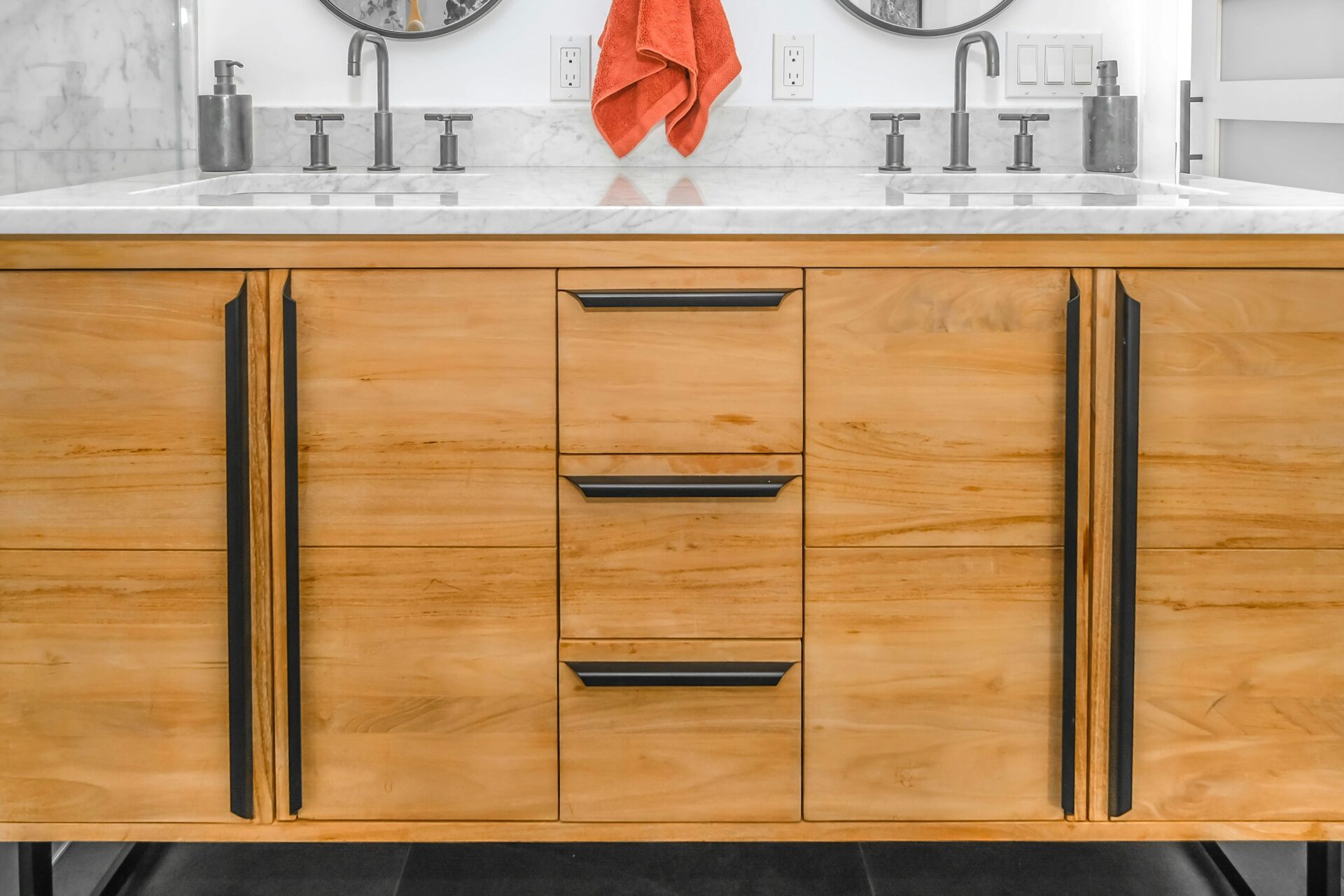
Handles, also known as pulls, come in countless shapes and sizes. Bar pulls, arch pulls, and finger pulls each offer a distinct look and feel. For example, sleek stainless steel bar pulls are a favorite for modern kitchens, while oil-rubbed bronze handles can add warmth and character to traditional cabinetry.
When selecting handles, consider the size and proportion relative to your cabinet doors and drawers. Oversized pulls make a bold statement and are easier for all ages to grip, while smaller, more delicate handles can offer a subtle accent.
Knobs
Knobs are a versatile option for both drawers and doors. They’re available in a wide variety of materials, from classic ceramic and glass to contemporary metal finishes. Knobs can be round, square, or uniquely shaped to complement your cabinet design. A popular trend is mixing knobs and handles within the same space for added visual interest.
Hinges
Often overlooked, hinges play a crucial role in both appearance and functionality. Concealed, or “Euro-style,” hinges are ideal for a seamless, minimalist look, while exposed hinges can serve as decorative accents in farmhouse or vintage-inspired designs. Quality hinges help ensure doors close smoothly and remain aligned over time.
Matching Hardware to Cabinet Styles and Finishes
Selecting hardware that harmonizes with your cabinets is key to a polished look.
Modern Cabinets
For modern or contemporary cabinets with flat, smooth surfaces, consider hardware with clean lines and minimal ornamentation. Satin nickel, brushed chrome, or matte black finishes are popular choices and pair well with high-gloss or flat-panel cabinetry.
Traditional Cabinets
Traditional cabinets often feature raised panels and more ornate detailing. Classic hardware styles, such as antique brass or polished bronze knobs and pulls, can enhance the elegance of these cabinets.
Transitional Designs
Transitional kitchens blend modern and traditional elements. Look for hardware that strikes a balance—simple shapes in timeless finishes like brushed nickel or pewter.
Coordinating Finishes
When matching hardware with cabinet finishes, consider the overall color scheme of your kitchen or bathroom. Chrome or stainless steel hardware offers a crisp complement to white or light-colored cabinets, while darker finishes add depth to rich wood tones. Mixing metals is also on-trend—just keep a consistent style throughout the space for cohesion.
Functional Considerations: Comfort and Placement
Aesthetics are important, but functionality should never be overlooked. Test hardware samples for comfort—handles and knobs should feel pleasant in the hand and be easy to grip. For families with children or older adults, larger pulls may be more accessible.
Proper placement ensures both beauty and usability. On drawers, handles are typically centered, while on doors, knobs or pulls are best positioned vertically near the opening edge. For a cohesive look, ensure all hardware is installed at a consistent height and distance from the edge.
Tips for Installation and Maintenance
Well-installed hardware looks better and holds up longer under daily use. Use a hardware template or jig to ensure holes are drilled consistently. If you’re replacing old hardware, measure carefully to match existing holes and avoid extra patching or drilling.
For maintenance, regularly wipe down hardware with a damp cloth to remove dirt and fingerprints. Avoid harsh cleaners, as they can damage finishes over time. With consistent care, your cabinet hardware will stay smooth, functional, and looking its best for years.
Enhancing Your Space With Thoughtful Hardware Choices
Choosing the right cabinet hardware is a rewarding step in any home improvement project. By considering style, finish, comfort, and durability, you can achieve a look that feels custom-tailored to your space.
Need help finding the right pieces? Contact our team for expert advice. At Cabinet Corner, we’re committed to helping you achieve beautiful, functional spaces with high-quality, ready-to-assemble cabinets and hardware.